Rhizome Reports

The Rhizome Reports are a series of written publications produced in conjunction with the Great Green Exposition, examining the most pressing challenges and opportunities at the intersection of environmental sustainability, urban development, and human flourishing. 

The reports take their name from the rhizome, a root system that spreads horizontally, connecting disparate points into a living network, reflecting our conviction that the most enduring solutions emerge not from organic collaboration across disciplines, geographies, and communities.

Nature

Climate Risk and the Shifting Insurance Landscape

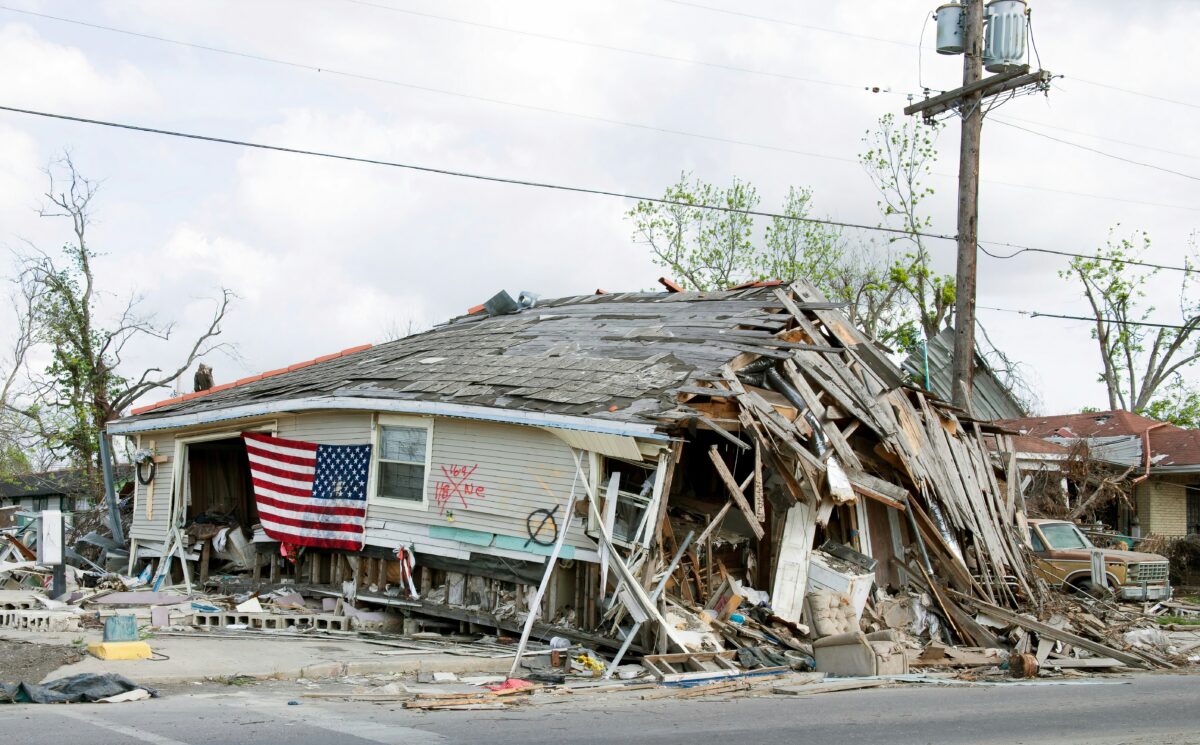
Climate risk is upending the insurance system, and North Carolina is a proving ground for how that plays out. Hurricane Helene exposed a brutal reality: fewer than 2.5% of Western North Carolina residents held flood insurance, leaving entire communities unable to rebuild. Mainstream insurers are abandoning high-risk areas entirely, forcing desperate homeowners into underfunded state programs never designed for this scale of disaster. But startups are fighting back with parametric insurance that pays out automatically, nature-based solutions like living shorelines, and AI-powered flood prediction models. The path forward demands radical insurance reform, massive infrastructure investments, and entirely new business models that let communities stay in place while dramatically reducing vulnerability. The question isn't whether we can adapt, it's whether we'll move fast enough.

Aaron Siegle

LongLeaf Studios
Great Green Exposition

Executive Summary for the Great Green Exposition

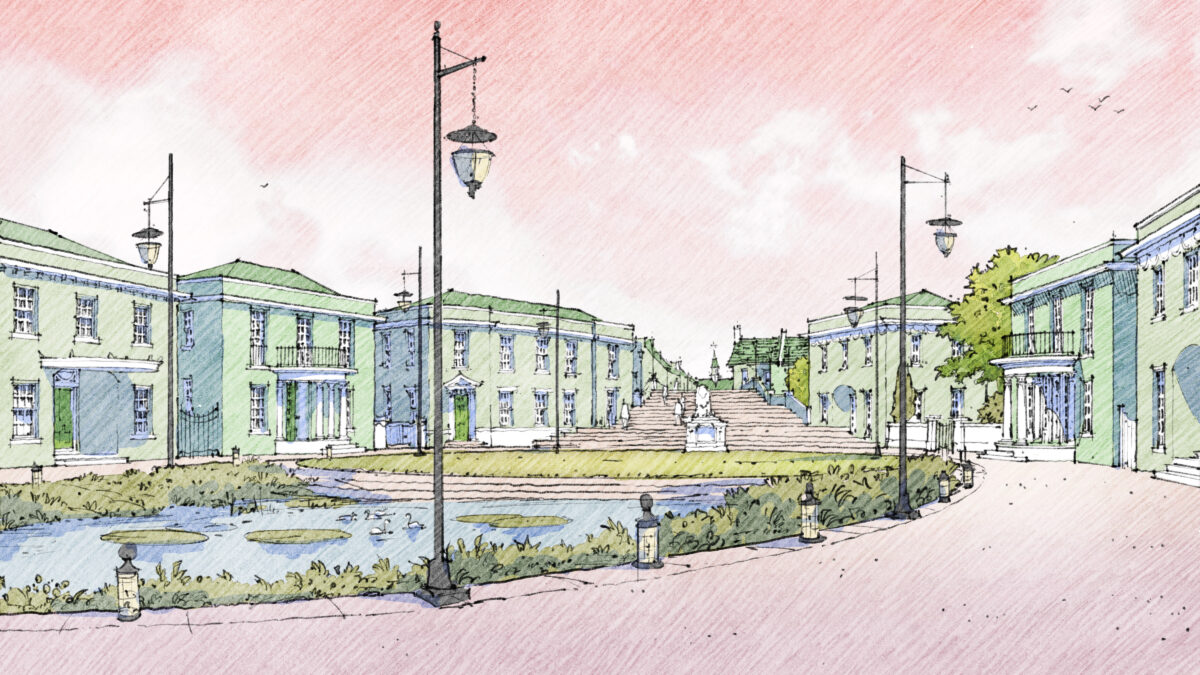
The Great Green Exposition will transform thirty acres of London's historic Syon Park into a fully walkable temporary English hamlet for several weeks in late summer and early autumn 2027. Designed by renowned New Urbanist Lew Oliver, the exposition will feature over 110 pavilions hosting businesses, innovators, artisans, and nonprofits, all built using locally sourced modular structures that will be repurposed after the event. Guided by four interwoven environments (the built, natural, social, and temporal), the exposition will offer immersive exhibits ranging from carbon-negative building materials to hands-on workshops in sustainable construction. Anticipating one million visitors from around the globe, the event aims to prove that sustainability need not require sacrificing beauty, comfort, or prosperity, demonstrating regenerative building technologies and human-scale urbanism as tangible, walkable reality rather than abstract concepts.

Nicholas Chrapliwy (SHRAP-liv-ee)

Executive Director, The Rhizome Institute

+2
Urbanism

Understanding the Drivers of Green Building Certification in the United States

In the face of escalating climate challenges, energy consumption in the built environment has emerged as a critical point of intervention. Buildings account for nearly 40% of total energy use and over 30% of greenhouse gas emissions in the United States, making them a key target for decarbonization strategies. In response, federal and state governments have invested heavily in programs designed to reduce building energy use, promote energy efficiency, and shift toward more sustainable infrastructure. Among the most visible and accessible indicators of these efforts are green building certifications such as ENERGY STAR and LEED.

Nico Taber

Sustainability Data Science Intern

+2