Climate Risk and the Shifting Insurance Landscape
By Aaron Siegle
By Aaron Siegle
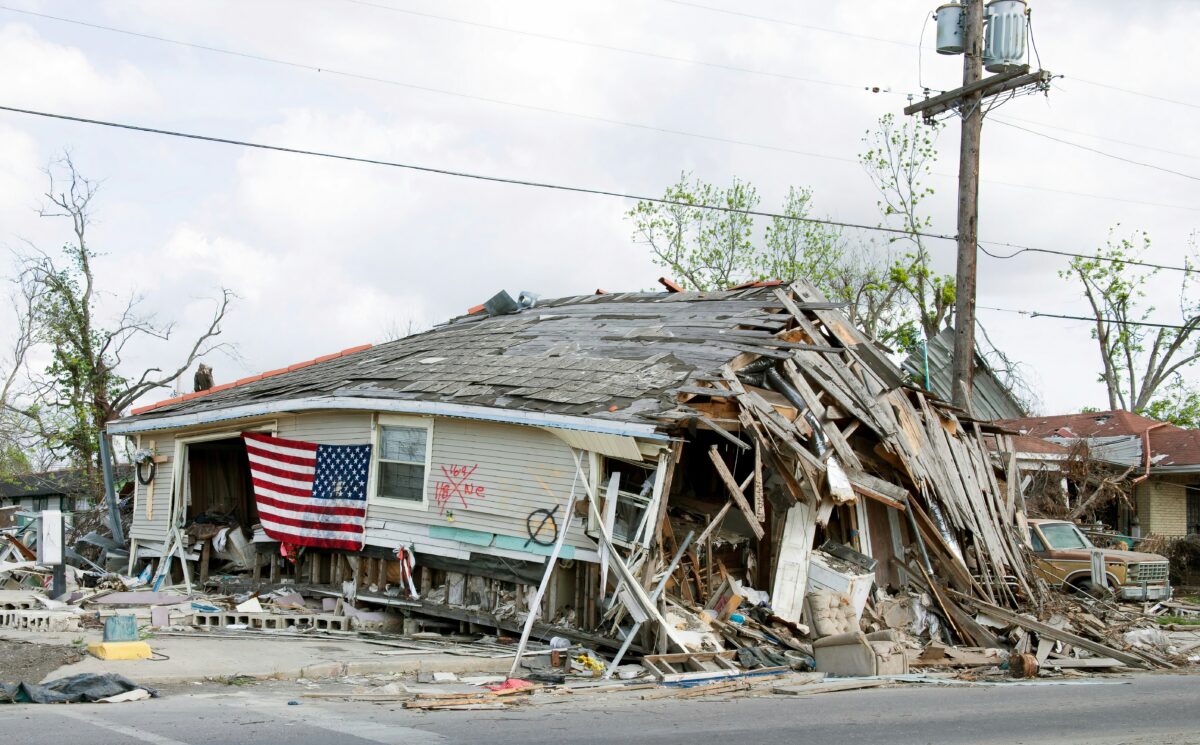
Climate risk is upending the insurance system, and North Carolina is a proving ground for how that plays out. Hurricane Helene exposed a brutal reality: fewer than 2.5% of Western North Carolina residents held flood insurance, leaving entire communities unable to rebuild. Mainstream insurers are abandoning high-risk areas entirely, forcing desperate homeowners into underfunded state programs never designed for this scale of disaster. But startups are fighting back with parametric insurance that pays out automatically, nature-based solutions like living shorelines, and AI-powered flood prediction models. The path forward demands radical insurance reform, massive infrastructure investments, and entirely new business models that let communities stay in place while dramatically reducing vulnerability. The question isn't whether we can adapt, it's whether we'll move fast enough.

LongLeaf Studios
Aaron is passionate about advancing clean energy technologies and policy solutions. He is a first year Masters of Environmental Management (MEM) candidate at Duke University concentrating in energy and environmental economics and policy. As a Duke undergrad, he was a Rachel Carson Scholar and Udall Scholar for Environmental Leadership.
He has worked with LongLeaf Studios (a NC-focused venture capital firm), Third Derivative (a climate tech startup accelerator), the Southern Environmental Law Center, Silicon Ranch Corporation (a utility-scale solar developer) and the Nicholas Institute for Energy, Environment and Sustainability. He is committed to accelerating the transition to a net-zero economy.